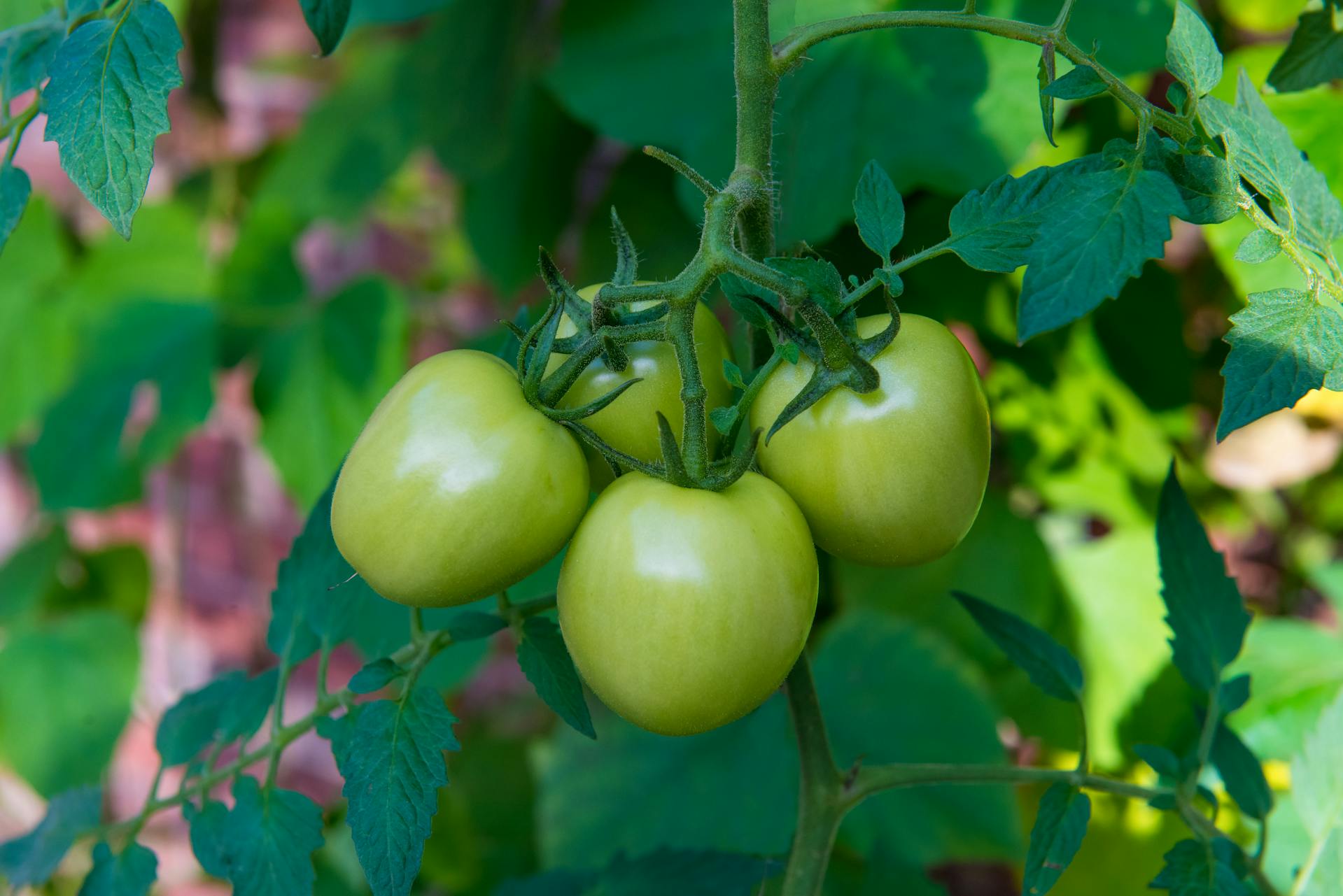
Tomato
TestSolanum lycopersicum
Tomato (Tamatar) is one of the most important and profitable vegetable crops grown across India. It belongs to the Solanaceae family and is cultivated both for fresh consumption and processing purposes. Tomato is rich in Vitamin A, Vitamin C, and lycopene, making it a highly nutritious vegetable. In India, tomato cultivation is done throughout the year in different agro-climatic zones. During Kharif season (June-July), Rabi season (October-November), and Summer season (January-February), farmers can grow tomatoes based on their region and variety selection. Commercial Importance: Ideal crop for small and marginal farmers with quick returns High demand in fresh markets, hotels, and processing industries Average yield of 200-250 quintal per acre in open field conditions Polyhouse cultivation can give 400-600 quintal per acre Good market price throughout the year with seasonal variations Suitable for both domestic consumption and export markets With proper variety selection, timely sowing, balanced nutrition, and integrated pest management, tomato farming can be highly profitable for Indian farmers.
Overview
Crop summary and key facts
Tomato (Tamatar) is one of the most important and profitable vegetable crops grown across India. It belongs to the Solanaceae family and is cultivated both for fresh consumption and processing purposes. Tomato is rich in Vitamin A, Vitamin C, and lycopene, making it a highly nutritious vegetable.
In India, tomato cultivation is done throughout the year in different agro-climatic zones. During Kharif season (June-July), Rabi season (October-November), and Summer season (January-February), farmers can grow tomatoes based on their region and variety selection.
Commercial Importance:
- Ideal crop for small and marginal farmers with quick returns
- High demand in fresh markets, hotels, and processing industries
- Average yield of 200-250 quintal per acre in open field conditions
- Polyhouse cultivation can give 400-600 quintal per acre
- Good market price throughout the year with seasonal variations
- Suitable for both domestic consumption and export markets
With proper variety selection, timely sowing, balanced nutrition, and integrated pest management, tomato farming can be highly profitable for Indian farmers.
Key Information
Scientific Name
TestSolanum lycopersicum
Category
Season
Kharif
Sowing: June – July • Harvest: September – October
Expected Yield
200-250 Quintal per Acre (Open Field), 400-600 Quintal per Acre (Polyhouse)
Growing Information
Tomato is cultivated across India in diverse agro-climatic zones. Different states have specific seasons and varieties suitable for their conditions.
Major Tomato Growing States:
1. Andhra Pradesh:
- Major Districts: Chittoor, Kurnool, Anantapur, Krishna
- Best Season: Rabi (October-November) and Summer (January-February)
- Known for processing-grade tomato production
- Annual Production: 22-25 lakh tonnes
2. Madhya Pradesh:
- Major Districts: Dewas, Dhar, Khargone, Ujjain
- Best Season: Rabi season with irrigation facility
- Large-scale cultivation for processing industries
- Annual Production: 18-20 lakh tonnes
3. Karnataka:
- Major Districts: Kolar, Chikkaballapur, Belgaum, Bangalore Rural
- Year-round cultivation due to moderate climate
- Famous for high-quality hybrid tomato production
- Annual Production: 20-22 lakh tonnes
4. Gujarat:
- Major Districts: Surat, Navsari, Vadodara, Anand
- Rabi and summer season cultivation
- Major supplier to processing units
- Annual Production: 15-17 lakh tonnes
5. Maharashtra:
- Major Districts: Pune, Nashik, Ahmednagar, Satara
- Rabi season (October-November) is main season
- Both fresh market and processing varieties grown
- Annual Production: 12-14 lakh tonnes
6. Telangana:
- Major Districts: Rangareddy, Medak, Karimnagar
- Rabi season with drip irrigation
- Growing polyhouse cultivation
- Annual Production: 8-10 lakh tonnes
Other Important States:
- Uttar Pradesh: Kanpur, Etawah, Varanasi - Rabi season cultivation
- Bihar: Vaishali, Samastipur - Rabi and summer cultivation
- West Bengal: Hooghly, Burdwan - Winter season best
- Odisha: Cuttack, Puri - Rabi season preferred
- Tamil Nadu: Coimbatore, Dharmapuri - Year-round with irrigation
- Haryana: Sonipat, Gurgaon - Rabi season cultivation
- Punjab: Ludhiana, Jalandhar - Protected cultivation increasing
- Himachal Pradesh: Solan, Shimla - Summer season (April-May)
- Uttarakhand: Haridwar, Dehradun - Hills and plains both suitable
Protected Cultivation Zones:
- Polyhouse cultivation expanding in Punjab, Haryana, Maharashtra
- Naturally Ventilated Polyhouse (NVPH) popular in Karnataka and Tamil Nadu
- High-tech polyhouses in peri-urban areas of major cities
- Net house cultivation in coastal Karnataka and Kerala
All India Statistics:
- Total Cultivation Area: 7.8-8.0 lakh hectares
- Total Annual Production: 195-200 lakh tonnes
- Average Productivity: 25-26 tonnes per hectare
- India ranks 2nd in world tomato production after China
Soil & Climate
Optimal environmental conditions
Soil Requirements
Tomato can be grown in various soil types, but proper soil preparation and pH management are essential for good yield.
Ideal Soil Type:
- Best Soil: Well-drained sandy loam to loam soil with good organic matter
- Also Suitable: Red soil, alluvial soil, and clay loam with proper drainage
- Soil pH: 6.0 to 7.0 (slightly acidic to neutral)
- Soil Depth: Minimum 15-20 cm deep ploughing required
- Drainage: Excellent drainage is must - waterlogging is harmful
Soil Preparation Steps:
- First ploughing with soil turning plough after monsoon or previous crop harvest
- Apply 8-10 tractor trolley of well-decomposed FYM (Farm Yard Manure) per acre
- Give 2-3 cross harrowing to make soil fine and leveled
- Prepare raised beds of 15 cm height for better drainage
- Apply basal dose of fertilizers as per soil test recommendations
- For polyhouse cultivation, soil solarization is recommended
Soil Testing: Always conduct soil testing before sowing to determine exact fertilizer requirements and lime application if soil is acidic.
Climate Requirements
Tomato is a warm-season crop but requires specific temperature ranges at different growth stages for optimal production.
Temperature Requirements:
- Ideal Day Temperature: 25-30°C for vegetative growth
- Night Temperature: 15-20°C for good fruit set
- Germination: 20-25°C is optimal for seed germination
- Fruit Setting: 20-24°C is best; poor fruit set below 15°C or above 35°C
- Fruit Development: 20-24°C for good color and quality
Rainfall & Humidity:
- Annual Rainfall: 60-150 cm well-distributed rainfall
- Relative Humidity: 50-60% is ideal; high humidity promotes diseases
- Critical Period: Excess rain during flowering reduces fruit set
- Protection: Use polyhouse or rain shelter during heavy monsoon areas
Sunlight:
- Requires full sunlight - minimum 6-8 hours daily
- Light intensity affects fruit color and quality
- Shade or cloudy weather reduces yield and increases disease incidence
Season-wise Cultivation:
- Kharif: June-July sowing in low rainfall areas
- Rabi: October-November sowing - best season for most regions
- Summer: January-February sowing in assured irrigation areas
- Hills: March-April sowing in hilly regions
Season
Kharif
Sowing: June – July
Harvest: September – October
Varieties
Recommended seeds and cultivars
Arka Rakshak
Hybrid - IndeterminateYield Potential
250-300 Quintal per Acre
Maturity
65-70 Days (First Picking)
Resistance
Pusa Rohini
Hybrid - Semi-Determinate (Compact Type)Yield Potential
200-250 Quintal per Acre
Maturity
60-65 Days (Early Maturity)
Resistance
Abhinav F1
Hybrid - DeterminateYield Potential
180-220 Quintal per Acre
Maturity
55-60 Days (Very Early Maturity)
Resistance
Seed & Planting
Sowing rates, spacing, and methods
Seed Rate:
- Hybrid: 80-100 g/acre
- OPV: 150-200 g/acre
- Nursery Area: 400-500 m²/acre
Seed Quality:
- Germination: 70-80% minimum
- Purity: 98%
- Moisture: < 8%
- Use certified seeds only
Seed Treatment:
- Carbendazim: 2 g/kg seed
- Trichoderma: 4 g/kg seed (organic option)
Spacing:
- Hybrid: 60 × 45 cm
- OPV: 75 × 50 cm
- Polyhouse: 60 × 45 cm
Raised Bed:
- Width: 60 cm, Height: 15-20 cm
- Improves drainage and reduces diseases
Seedling Selection:
- Height: 10-15 cm, 4-5 leaves
- Healthy, disease-free seedlings
Transplanting:
- Do in evening or cloudy weather
- Irrigate immediately after planting
- Handle roots carefully
Modern Method:
- Use plug trays (98/128 cells)
- Better survival and uniform growth
Cultivation
Field preparation and agronomy
Cultivation
Nursery Raising (Paudha Tayyar Karna):
Nursery Bed Preparation:
- Prepare raised nursery beds of 3 meter length, 1 meter width, and 15 cm height
- Mix soil with well-decomposed FYM or vermicompost in 2:1 ratio
- Treat nursery bed soil with Trichoderma @ 50 gm per square meter
- Drench bed with Carbendazim @ 1 gm per liter water before sowing
- Make shallow lines of 10 cm spacing for seed sowing
Seed Sowing in Nursery:
- Sow seeds at 5 cm spacing in lines, cover with fine soil
- Apply light irrigation with watering can immediately after sowing
- Cover beds with dry grass or gunny bags for 3-4 days
- Remove cover when 50% germination occurs (usually 5-7 days)
- Provide shade net (50%) during hot months to protect seedlings
- Seedlings ready for transplanting in 25-30 days (4-5 true leaves stage)
Main Field Preparation:
- Plough field 2-3 times to make soil fine and weed-free
- Apply FYM @ 8-10 tractor trolley per acre during last ploughing
- Prepare raised beds of 60 cm width and 15 cm height with 45 cm furrows
- Install drip irrigation system before transplanting (recommended)
- Apply basal fertilizers before transplanting
Transplanting (Ropai):
- Timing: Evening hours or cloudy days are best for transplanting
- Seedling Selection: Choose healthy, disease-free seedlings of uniform size
- Spacing for Hybrid Varieties: 60 cm row × 45 cm plant spacing (3,630 plants per acre)
- Spacing for Local Varieties: 75 cm row × 50 cm plant spacing (2,900 plants per acre)
- Transplanting Method: Make holes, place seedling, cover roots properly, and irrigate immediately
- Gap Filling: Replace dead or weak seedlings within 7-10 days after transplanting
Staking and Training:
- Provide bamboo or wooden stakes @ 1 stake per plant for indeterminate varieties
- Install stakes of 5-6 feet height within 15 days of transplanting
- Tie plants loosely with soft thread or jute rope at 15-20 cm intervals
- For determinate varieties, staking is optional but recommended
- In polyhouse, use vertical thread support system
Pruning and Defoliation:
- Remove side shoots (suckers) regularly for indeterminate varieties
- Keep only main stem or maximum 2 stems for better yield
- Remove lower leaves touching ground after first fruit set
- Remove diseased, yellow, or damaged leaves regularly
- Stop removing suckers after 4-5 fruit clusters are formed
Mulching:
- Apply plastic mulch (25-30 micron) for weed control and moisture conservation
- Organic mulch like paddy straw can also be used @ 2-3 quintal per acre
- Mulching reduces soil temperature, conserves moisture, and prevents soil-borne diseases
Stages
Crop growth timeline and key tasks
1
Nursery & Seedling (0–25 Days)
Goal: Healthy, Virus-Free Seedlings
Seeds germinate and grow into young plants. This stage is critical for preventing "Damping-off" and early whitefly-borne viruses.
Recommended Practices
Treatment: Treat seeds with Trichoderma (4g/kg) or Carbendazim (2g/kg).
Protection: Grow under a 40-mesh nylon net to keep out Whiteflies.
Hardening: Stop watering 3 days before transplanting to strengthen the stem.
2
Vegetative Phase (25–50 Days)
Goal: Strong Framework & Leaf Cover
Rapid growth of stems and leaves. The plant establishes its structure. For hybrid types, staking must start now.
Recommended Practices
Staking: Install bamboo stakes and tie plants loosely with jute thread.
Nutrition: Apply first top-dress of Urea (30kg/acre) + Micronutrients.
Pruning: Remove "suckers" (side shoots) to maintain a single strong main stem.
3
Flowering & Fruit Set (50–75 Days)
CRITICAL WATER STAGE
The transition from growth to production. Any stress (water or nutrient) will cause flowers to drop (Phool Jhadna).
Recommended Practices
Hormones: Spray Planofix (2ml per 15L tank) to reduce flower drop.
Nutrition: Apply Borax (5kg/acre) or Boric Acid spray for better pollination.
Irrigation: Maintain uniform moisture; never let the soil go bone dry.
4
Fruit Development (75–100 Days)
Goal: Size, Weight, and Shine
Fruits expand to full size. Proper Calcium and Potash are vital to prevent skin cracking and black bottom spots.
Recommended Practices
Calcium: Spray Calcium Nitrate (50g/15L) to prevent Blossom End Rot.
Potash: Use 0-0-50 (SOP) spray to improve fruit color and weight.
Fruit Borer: Install Pheromone Traps (8 per acre) to monitor "Phalkida" pests.
5
Maturity & Harvest (100+ Days)
Goal: Market Readiness
Fruits reach market color. Picking happens every 2–3 days. Shelf-life management is the priority.
Recommended Practices
Picking: Harvest at 'Breaker' stage (pinkish-yellow) for long-distance markets.
Storage: Keep harvested crates in shade; do not wash fruits before packing.
Pre-Harvest: Stop irrigation 2 days before picking to increase fruit firmness.
Nutrition
Fertilizers and deficiency remedies
Fertilizer Schedule
NPK & micronutrient application
Total Nutrient Requirement (Per Acre):
- Nitrogen (N): 60 kg
- Phosphorus (P): 40 kg
- Potassium (K): 50 kg
Basal Dose (Land Preparation):
- Apply 8-10 tractor trolleys of FYM during final ploughing
- SSP: 200 kg per acre
- MOP: 60 kg per acre
- Urea: 30 kg per acre
Top Dressing Schedule:
- 25 Days: 30 kg Urea (vegetative growth)
- 45 Days: 30 kg Urea + 20 kg MOP (flowering stage)
- 65 Days: 30 kg Urea (fruit development)
Micronutrient Sprays (Per 15L Tank):
- Boric Acid: 20 g for better flower set
- SOP (00:00:50): 75 g for fruit quality and color
Important Tips:
- Apply fertilizers 3-4 inches away from plant stem
- Ensure soil moisture before application
- Irrigate immediately after fertilizer application
Nutrient Deficiencies & Remedies
Nitrogen (N) Deficiency / Peela Rog
Calcium Deficiency / Blossom End Rot (BER)
Boron Deficiency / Fruit Cracking
Magnesium Deficiency / Interveinal Chlorosis
Irrigation
Water requirements and scheduling
Irrigation Schedule
Water & Irrigation Requirements
Water Requirement:
- Open field: 45-60 cm total water
- Critical stages: Transplanting, flowering, fruiting
- Water stress → low yield, blossom end rot
- Excess water → root rot, diseases
Irrigation Method:
- Drip (Best): Saves water, improves yield
- Furrow: Traditional method
Irrigation Schedule:
- 0-10 days: Daily light irrigation
- 10-30 days: Every 2-3 days
- Flowering & fruiting: Daily or regular (critical stage)
- Harvest stage: Reduce irrigation slightly
Soil-wise Irrigation:
- Sandy: Frequent, less water
- Loam: Normal schedule
- Clay: Less frequent, more water
Season Adjustment:
- Kharif: Irrigate only during dry spells
- Rabi: Normal irrigation
- Summer: More frequent irrigation
Water Quality:
- pH: 6.0-7.5
- EC: < 1.5 dS/m
- Avoid saline water
Key Tips:
- Maintain uniform soil moisture
- Irrigate in morning or evening
- Avoid over-irrigation
- Use mulch to save water
Pests & Diseases
Identification, damage, and control
Pests
Fruit Borer (Helicoverpa armigera) / Phalkida / Fruit Worm
⚠️
Visible Signs
Bore Holes: Clean, circular holes on fruits, usually near the stem/calyx.
Internal Feeding: The larva feeds inside, often leaving its rear half outside the fruit.
Frass: Visible waste/excreta near the entry point.
Field Impact
Early stage larvae feed on leaves making irregular holes; later they move to flowers and fruits, causing heavy fruit drop.
High Damage
The most destructive pest of tomato. A single caterpillar can damage 8-10 fruits by boring into them, making the crop unmarketable.
Regional Names:
Hindi: Phalkida / Tamatar ki Sundi |
Marathi: Phal Pokarnari Aali |
Telugu: Kayatholuchu Purugu |
Kannada: Kai Koraka Hulu
Whitefly (Bemisia tabaci) / Safed Makhi
⚠️
Visual: Tiny white clouds of insects appear when the plant is shaken.
Sooty Mold: Leaves become black and sticky due to a fungus growing on their "honeydew" waste.
Virus Sign: Severe upward curling and yellowing of young leaves.
Growth: Plants become stunted and bushy if infested early.
Virus Vector
Tiny white-winged insects that suck sap and act as the primary carrier for the Leaf Curl Virus. They multiply rapidly in warm, dry weather.
Regional Names:
Hindi: Safed Makhi |
Marathi: पांढरी माशी (Pandhari Mashi) |
Telugu: Tella Domma |
Kannada: Bili Jiggatu
Aphids (Aphis gossypii) / Cheppa / Lahi
⚠️
Colonies: Clustered insects visible on the underside of young, tender leaves.
Distortion: Infested leaves become twisted, wrinkled, and curl downwards.
Secondary Sign: Presence of ants on the plant and a black coating (sooty mold) on leaves.
Cool Weather Pest
Soft-bodied, pear-shaped insects that suck sap from tender shoots. They are most active during the Rabi (winter) season.
Regional Names:
Hindi: Lahi / Cheppa / Mahu |
Marathi: मावा (Mawa) |
Telugu: Penu Banka |
Kannada: Karu Jiggatu
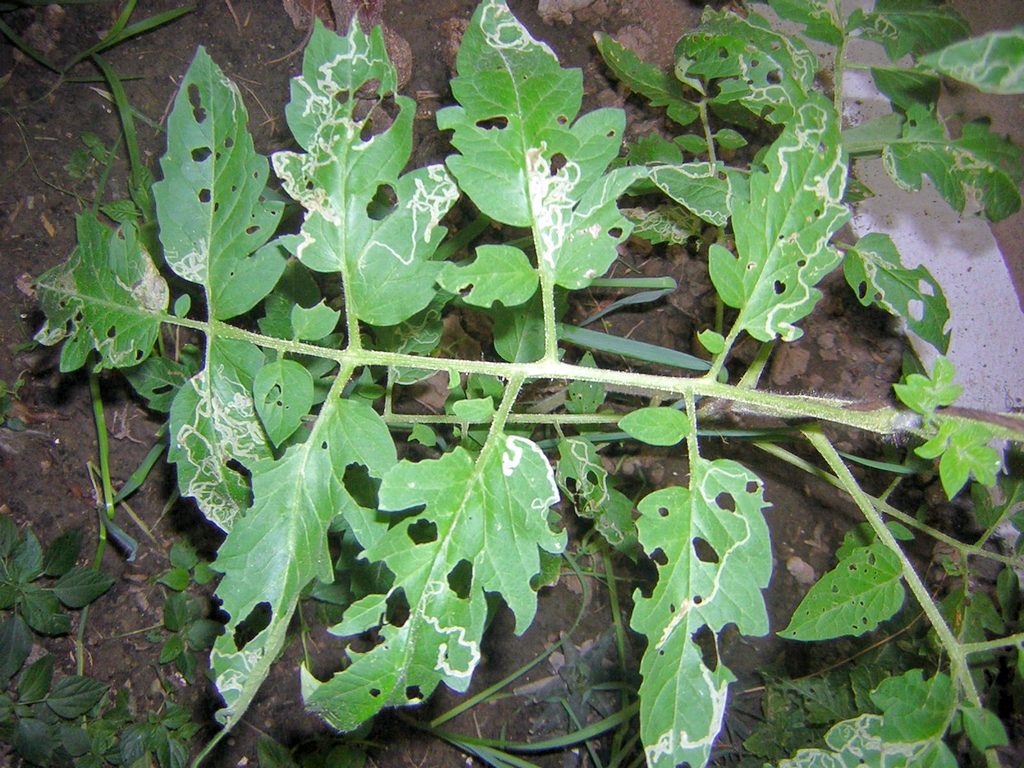
Leaf Miner (Liriomyza trifolii) / Surangi Aali
⚠️
Symptoms:
Tunnels: White, serpentine (zig-zag) mines on leaf surface
Drying: Leaves turn brown and dry in severe infestation
Punctures: Tiny feeding holes leading to secondary infections
Type:
Foliar Pest
Description:
A tiny fly whose larvae tunnel between leaf surfaces, reducing photosynthesis and weakening the plant.
Regional Names:
Hindi: Surangi Keet / Pattiyon ki Surang
Marathi: पांढरी नागअळी (Nag-aali)
Telugu: Akutholuchu Purugu
Kannada: Ele Koreka
Red Spider Mite / Lal Koli / Erra nalli
⚠️
Stippling: Tiny yellow or white spots on the upper leaf surface.
Webbing: Fine silk-like webs visible on the undersurface of leaves.
Dusty Look: Leaves appear dusty and may eventually turn bronzed or rusty brown before falling.
Hot Weather Pest
Extremely tiny eight-legged pests that live in webs under the leaves. They are a major problem during the dry Summer months.
Regional Names:
Hindi: Lal Makdi / Koli |
Marathi: लाल कोळी (Lal Koli) |
Telugu: Erra nalli / Akunalli |
Kannada: Kempu Jiggatu
Expert Tips & Guidance
Diseases
Early Blight (Alternaria solani)
🦠
Leaf & Stem Signs
Target Spot: Dark brown spots with concentric rings (like a bull's eye).
Pattern: Starts on older bottom leaves and moves upward.
Yellow Halo: Spots are often surrounded by a yellow chlorotic ring.
Fruit Damage
Stem-end Rot: Sunken, leathery black spots near the fruit stem.
Sunscald: Heavy leaf drop exposes fruits to direct sun, causing burns.
High Yield Impact
Early Blight is the most common fungal disease in Indian tomato farming. It survives in soil and crop debris, spreading rapidly during warm, humid weather (24-29°C) via wind and rain.
Late Blight (Phytophthora infestans)
🦠
🏴
Diagnostic Identification
White Downy Growth: Fluffy white mold on the leaf underside in the morning.
Irregular Lesions: Water-soaked, purplish-black patches (no rings).
Foul Odor: Characteristic smell from decomposing "scorched" tissues.
Fruit Marbling: Firm, chocolate-brown greasy spots on fruit shoulders.
CRITICAL THREAT
The most devastating tomato disease. It spreads explosively in cool, very humid weather (>90% RH). It can destroy an entire field in just 7–10 days if left untreated.
Bacterial Wilt (Ralstonia solanacearum)
🦠
Field Diagnosis (The "Smoke" Test):
Rapid Wilting: Plant wilts suddenly while still remaining green.
Temporary Recovery: Plant wilts in the afternoon but recovers at night.
Milky Ooze: A cut stem held in a glass of water shows white "smoke-like" ooze streaming out.
Soil-Borne
A soil-borne bacteria that blocks the plant's water vessels. It is most severe in warm, acidic, or waterlogged soils. Note: Chemicals cannot cure the plant once it wilts.
Tomato Leaf Curl Virus (ToLCV)
🦠
Identification Signs
Curling: Severe upward and inward curling of young leaves.
Stunting: Plants remain bushy and very short (stunted).
Puckering: Leaves become thick, leathery, and wrinkled.
Production: Little to no fruit formation; flowers often drop.
Viral - Vector Borne
ToLCV is the most devastating viral disease in India. It is transmitted by Whitefly.
Regional Names:
Hindi: Kukda Rog / Murra Rog |
Marathi: Churda-Murda |
Telugu: Akumudatha |
Kannada: Ele Muduru Roga
Damping-Off
🦠
Pre-emergence
Seeds rot in the soil before they can sprout, leading to empty patches in the nursery bed.
Post-emergence
The stem at soil level becomes water-soaked and soft.
Seedlings collapse and fall over.
Common in overcrowded beds with excess water.
Nursery Disease
A serious soil-borne fungal disease that attacks young seedlings in the nursery bed before or after they emerge from the soil.
Regional Names:
Hindi: Paud-Galan |
Marathi: Rope Marne |
Telugu: Tholu Tholuchuta |
Kannada: Naaru Kole Roga
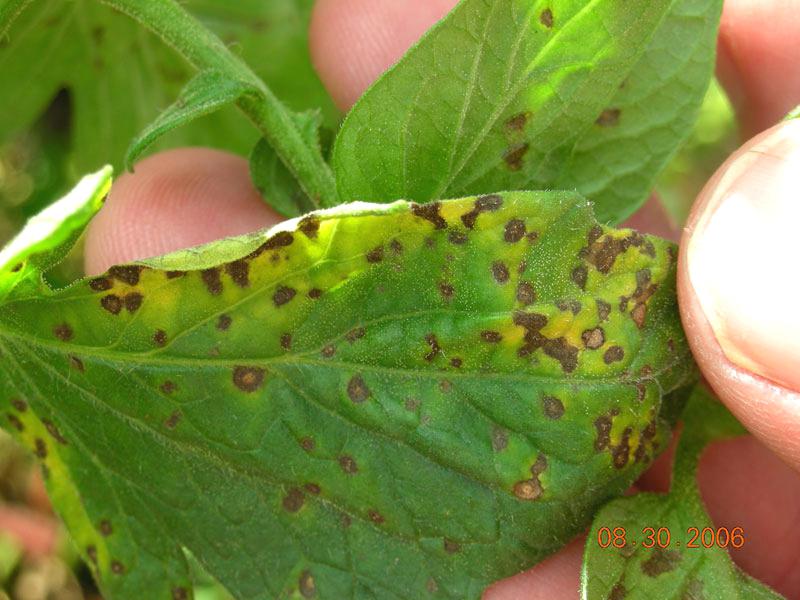
Early Blight (Alternaria solani)
🦠
Leaf & Stem Signs
Target Spot: Dark brown spots with concentric rings (like a bull's eye).
Pattern: Starts on older bottom leaves and moves upward.
Yellow Halo: Spots are often surrounded by a yellow chlorotic ring.
Fruit Damage
Stem-end Rot: Sunken, leathery black spots near the fruit stem.
Sunscald: Heavy leaf drop exposes fruits to direct sun, causing burns.
High Yield Impact
Early Blight is the most common fungal disease in Indian tomato farming. It survives in soil and crop debris, spreading rapidly during warm, humid weather (24-29°C) via wind and rain.
Weeds
Weeds
Weed Management (Kharpatwar Niyantran):
Effective weed control can increase yield by up to 50%.
Critical Period:
- First 45-60 days after transplanting are most important
- Weeds during this period can reduce yield by 40-60%
Mulching (Best Method):
- Plastic Mulch (25-30 micron): 95-100% weed control, conserves moisture, cost ₹8,000-10,000/acre
- Organic Mulch: 60-70% weed control, improves soil, cost ₹2,000-3,000/acre
Chemical Control:
- Pendimethalin 30% EC: 1.0-1.5 L/acre within 48 hours after transplanting
- Quizalofop Ethyl 5% EC: 200-250 ml/acre for grass weeds (post-emergence)
Integrated Weed Management:
- Apply Pendimethalin within 2 days after transplanting
- Use plastic mulch for maximum control
- Do one hand weeding at 45 days
Important Tips:
- Spray herbicide on moist soil
- Use flat fan nozzle for uniform spray
- Maintain spray height of 30-45 cm
- Wear mask and gloves during spraying
Expert Tips & Guidance
Harvesting
Yield estimates and post-harvest care
Harvesting
Pick tomatoes early in the morning when they are cool and twist them off the stem gently so they will be fresh. Select the appropriate stage for your purpose. For long distance transport, select green fruits; for immediate use, select red-ripe fruits. Never harvest when it is raining or when fruits are wet.
Use clean, soft-lined containers to avoid bruising and keep various stages of maturity separate to help with sorting. Harvested fruit should be moved to the shade immediately to maintain quality and should not be mixed with diseased or overripe fruit.
Post-Harvest Handling
Sort tomatoes by size and color, removing any damaged or deformed fruit to ensure quality. For packing, use cushioned crates or cardboard boxes in shallow layers to prevent crushing during transport. Store tomatoes in a cool, well-ventilated area—ideally between 8°C and 15°C depending on ripeness—but avoid temperatures below 7°C as this causes chilling injury.
To maintain freshness, do not wash fruits intended for long-term storage and always keep them out of direct sunlight. Finally, use refrigerated transport for long distances and process any over-ripe fruit into puree or paste to avoid waste.
References
Agricultural university and research guides
References and Data Sources:
- ICAR - Indian Institute of Horticultural Research (IIHR), Bengaluru
- ICAR - Indian Institute of Vegetable Research (IIVR), Varanasi
- State Agricultural Universities (TNAU, UAS Bengaluru, ANGRAU, PAU)
- Ministry of Agriculture & Farmers Welfare, Government of India
- National Horticulture Board (NHB)
Important Notes:
- Recommendations are based on field-tested research and official guidelines
- Always follow pesticide labels and local agriculture advisories
- Consult nearby KVK or agriculture officers for region-specific guidance
Important Notice
The crop information presented here is for general educational and informational purposes only. Farm conditions, soil profiles, and weather patterns vary significantly. Always consult qualified agricultural extension officers, local scientists, or professional agronomists before starting complex planting, crop protection, or fertilization programs.
Join the conversation
Log in to share your thoughts and connect with other farmers.
Log in to commentAll comments